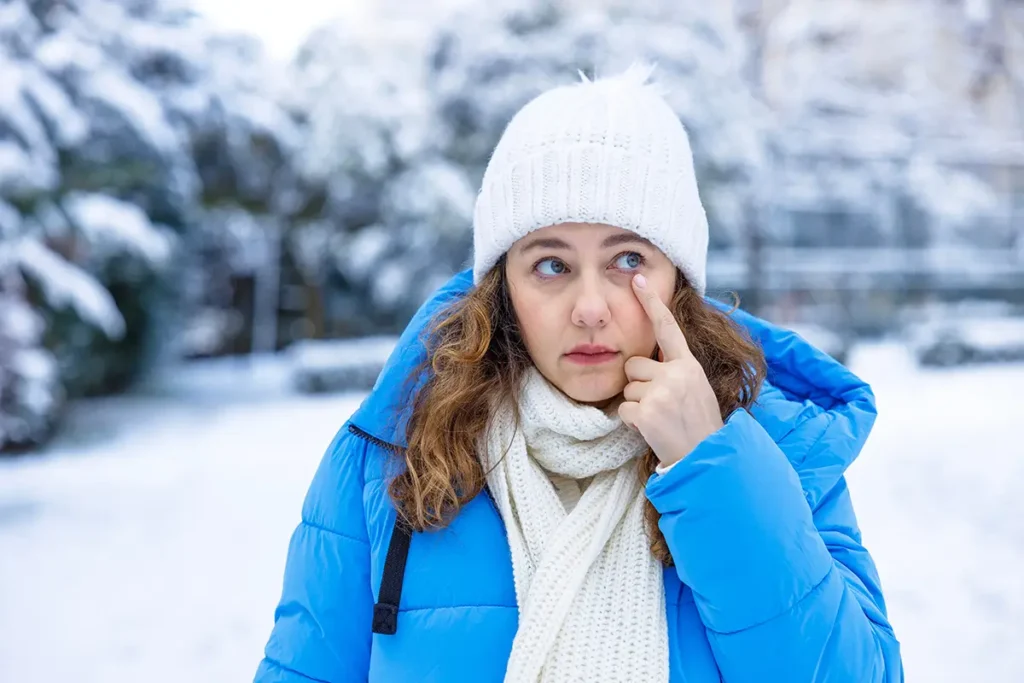
Why Winter Can Be Brutal for Dry Eyes
As temperatures drop and the days grow darker, many of us notice our eyes becoming scratchier, sorer and more irritated than usual. Winter is already hard on skin and sinuses, but it can be especially tough on your eyes. If you live with dry eye symptoms throughout the year, you’ll already know that the colder months often bring an unwelcome flare-up. But if you don’t normally struggle with dryness, you could find yourself rubbing your eyes more often and blinking against discomfort throughout the day.
But what is it about winter that makes dry eyes so much worse? In general, it comes down to a combination of environmental triggers and lifestyle shifts that happen almost without us noticing.
Dry Indoor Heat Dehydrates Your Eyes
Once the heating is switched on daily, indoor air changes dramatically, stripping moisture from the environment and reducing humidity to levels your eyes simply aren’t built for. In these drier conditions, tears evaporate far more quickly, leaving the eye surface unprotected and prone to irritation.
Cold Winds & Outdoor Air Disrupt the Tear Film
Go outside and things can get even worse once the cold wind hits you and cold weather eye irritation sets in. Even a light winter breeze can physically wick moisture away from the eye’s surface. You may also find yourself squinting in the glare from snow or the low winter sun which can cause the delicate tear film that keeps your eyes comfortable to become unstable.
Reduced Natural Tear Production in Winter Months
Cold weather is often perceived as reducing tear production, which can contribute to feelings of dryness. While indoor, dry, stagnant air from heating systems and increased screen time certainly compounds this issue, cold air increases lacrimal gland stimulation – hence you get watery eyes when you go into the cold.
Compounding Factors: Allergy, Ageing, and Medications
Winter allergies caused by dust mites or mold can flare in sealed-up homes, triggering cold weather eye irritation. Age-related dryness is also often worse during colder months, and common allergy or cold & flu medications – like antihistamines and decongestants – can further decrease moisture levels.
Understanding these triggers is the first step towards easing symptoms and protecting your eyes all season long.
Key Symptoms of Winter-Related Dry Eyes
These are some of the most common signs that your symptoms may be linked to winter conditions.
Burning or Gritty Sensation
A stinging, sandy or scratchy feeling is often the first sign of dryness. This is caused by the combination of dryer winter air and faster tear evaporation which leave the eye surface exposed.
Excessive Watering or Tearing (Paradoxical)
Although it seems like the opposite of dryness, watery eyes are often a sign of irritation. When the tear film becomes unstable, the eyes overcompensate by producing reflex tears that – unfortunately – don’t properly hydrate.
Blurry Vision That Improves with Blinking
If your vision goes hazy and then sharpens after a blink, it may be due to an uneven tear film. Winter air disrupts tear stability, making it harder for the eyes to stay consistently lubricated.
Redness, Itchiness, or Soreness After Being Outdoors or in Heated Rooms
Moving between cold winds and heated indoor spaces stresses the surface of your eye and can lead to visible redness and lingering itchiness or soreness, especially after time spent outside or in low-humidity environments.
How to Prevent and Relieve Symptoms of Dry Eyes in Winter
With a few simple adjustments, you can protect your eyes from the harsh effects of cold air and dry indoor heat. Taking these practical winter dry eye treatment steps will help stabilize the tear film and make sure that you keep discomfort to a minimum.
Use Preservative-Free Eye Drops Regularly
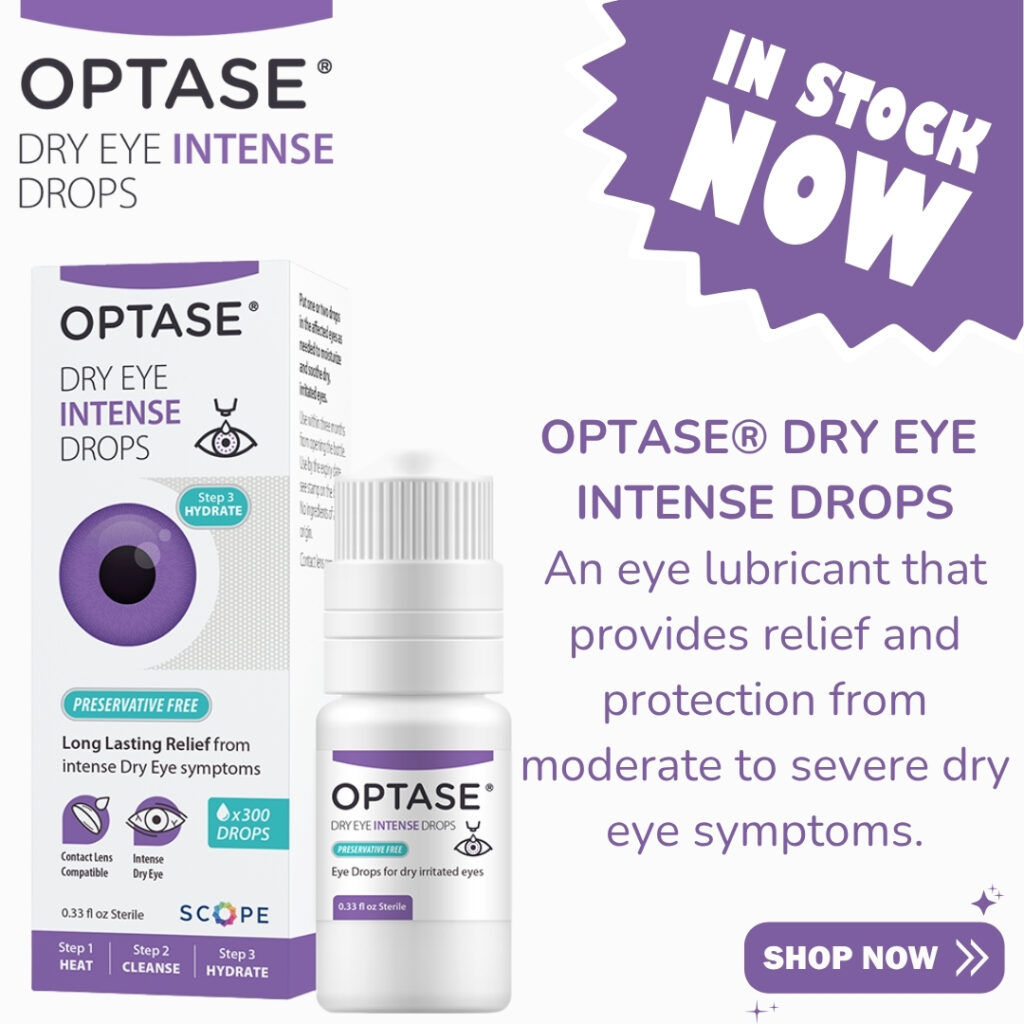
Applying 1–2 drops of a preservative-free lubricant eye drops like OPTASE MGD Advanced Dry Eye Drops protects and hydrates for effective dry eye symptoms relief.
Winter Eye Care Routine: Morning, Day, and Night
A consistent routine can make a big difference when it comes to winter dry eye treatment. Breaking your care into three clear steps – morning, midday and evening – will help you keep your tear film stable around the clock.
Morning Routine
Start your day by warming the eyes with your OPTASE Moist Heat Mask. The mask gives you effective relief from symptoms related to dry eye and other conditions. Follow this with a OPTASE Tea Tree Oil Wipes, then, before applying makeup or careful eyelid cleanse using inserting contact lenses, add a layer of hydration with your preferred drops to prepare and protect the eye surface for the day ahead.
Midday Refresh
As the day progresses, environmental factors like cold winds, screen use and dry indoor air can cause your dry eye symptoms to flare up again. Reapply drops whenever you feel irritation creeping in, particularly after being outdoors or spending long periods at your computer. If you want the comfort of drops and the convenience of a spray, try OPTASE Comfort Dry Eye Spray to relieve dryness and irritation of eyes.
Nighttime Routine
Evening care is all about resetting your dry eyes after a day of exposure to winter conditions. Begin by removing all your makeup thoroughly with OPTASE LIFE Sensitive Eye Makeup Remover which is doctor-approved and specifically formulated to be extra gentle and effectively remove makeup from sensitive dry skin around the eyes. Apply another round of eye drops before bed to support overnight moisture levels and reduce morning eye dryness. If your symptoms tend to worsen at night, use OPTASE HYLO Night Lubricant Eye Ointment, a smooth and easy to apply eye ointment designed to ease the symptoms of night-time dry eye.
What to Avoid During the Winter
Certain habits and products can make dry eye symptoms noticeably worse during colder months. Steering clear of these common triggers can help protect the tear film and keep irritation under control.
Drops with Preservatives (Especially with Frequent Use)
Many over-the-counter (OTC) eye drops contain preservatives that can irritate sensitive eyes, especially when used several times a day. Opting for preservative-free formulas – such as those in the OPTASE range – offers a gentle alternative that supports daily hydration without adding to the problem.
Long Hours in Front of Screens Without Breaks
Winter often means more time indoors and more time on screens. Extended screen use naturally reduces your blink rate, which leads to faster tear evaporation and increased dryness. Building in regular breaks can make a big difference. The 20-20-20 rule – every 20 minutes, look at something 20 feet away for 20 seconds – helps reset your eyes. Pair this with good screen ergonomics to reduce strain throughout the day.
Rubbing Eyes When They Feel Dry or Tired
When your eyes itch or ache, rubbing them can feel instinctive, but it can actually worsen irritation. Rubbing may damage the corneal surface, spread bacteria or disrupt the delicate tear film further. A safer, more effective approach is to flush the eyes with preservative-free drops to soothe the surface and use a warm compress to ease discomfort without causing harm.
FAQs About Winter Dry Eye Relief
Why do my eyes water more when I go outside in winter?
Cold wind destabilizes the tear film, causing the eyes to overproduce reflex tears. These watery tears don’t hydrate effectively, so dryness and watering can happen at the same time.
Is it safe to use eye drops multiple times per day?
Yes, but remember to choose preservative free drops as they are ideal for frequent use.
Will drinking more water help my eyes in winter?
Staying hydrated supports overall tear production, but it won’t fully prevent winter dryness. It’s helpful, but you’ll still need targeted eye care like drops or warm compresses.
Can I still wear contact lenses if I have dry eyes in cold weather?
You can, but you might find them uncomfortable. However, using lubricating drops or wearing wraparound glasses outdoors can help keep irritation under control.
OPTASE Products That Help During the Winter
OcWinter conditions can be particularly harsh on the eyes, making it harder for the tear film to stay stable and comfortable. OPTASE offers a range of targeted, preservative-free products designed to hydrate, protect and support the eyes during colder months. So, whether you’re dealing with increased dryness, irritation from indoor heating or flare-ups of meibomian gland dysfunction, the OPTASE range of solutions can help keep symptoms under control all season long.
OPTASE MGD Advanced Dry Eye Drops
OPTASE MGD Advanced Dry Eye Drops are preservative-free, making them suitable for frequent daily use if you are experiencing symptoms of dry eye. They provide relief from symptoms of burning, irritation and dryness by replenishing the tear film.
OPTASE PROTECT Eyelid Cleansing Spray
OPTASE PROTECT Eyelid Cleansing Spray is a gentle yet effective cleansing spray for the hygienic care of eyelids and eyelashes. It contains 99.6% pure hypochlorous acid, providing natural protection to support daily eyelid cleansing.
OPTASE Moist Heat Mask
The OPTASE Moist Heat Mask is a reusable mask for soothing, effective symptom relief from Dry Eye, Blepharitis, MGD, Chalazion and Styes. This heated eye mask works to loosen the protective oils produced in the eyelids which are important to ensure healthy tear production.
OPTASE LIFE Sensitive Eye Makeup Remover & OPTASE LIFE Sensitive Eye Daily Renewal Cream
OPTASE LIFE Sensitive Eye Makeup Remover gently lifts away makeup without irritating the delicate skin around the eyes. Paired with OPTASE LIFE Sensitive Eye Daily Renewal Cream, it helps maintain healthy eyelids and nourished skin, especially important during winter when dryness, flaking and sensitivity are more common. Together, they support good eyelid hygiene and maintain healthy looking eyelids.
Final Thoughts
Winter is undeniably one of the toughest seasons for dry eyes, but you don’t have to put up with the discomfort. By following a consistent daily routine, avoiding common irritants and choosing preservative-free products designed for sensitive eyes, you can keep symptoms in check before they become more severe. Small, proactive steps can make a significant difference throughout the colder months. Prevention is always the strongest approach, and winter is the ideal time to stay ahead of dryness rather than react to it.
Don’t let cold weather dry out your eyes.
Discover the OPTASE complete range of preservative-free eye care solutions, trusted by eye doctors and formulated for long-term comfort.
Links
https://www.eyecliniclondon.com/blog/dry-eyes-weather/
https://www.associatedeyenj.com/services/dry-eye/excessive-tearing-and-dry-eye/
https://tayani.com/understanding-dry-eyes-in-winter-causes-prevention-and-relief
https://perspectivesvisionclinic.com/why-do-my-eyes-water-in-cold-weather/