Dry, irritated eyes may be brushed off as an occasional nuisance caused by spending long hours in front of a screen or a poor night’s sleep, but the feeling of burning or watery eyes could be Dry Eye Disease symptoms, a common condition that can have a big impact on your comfort and make it harder to follow through with your everyday tasks. Symptoms can vary, from irritation or “gritty” feelings to blurry, altered vision, sensitivity to light, or excessive eye watering. These symptoms are usually quite uncomfortable, and the cause behind them isn’t always clear. In this guide, we’ll explain what Dry Eye Disease really is, why it happens, what symptoms you should look out for, tips for managing it, and which over-the-counter (OTC) options may offer temporary relief
What Is Dry Eye Disease?
Knowing the difference between having “dry eyes” and Dry Eye Disease is extremely important. Dry Eye Disease, also known as Dry Eye Syndrome, is a common long-term condition that can affect people of all ages. If your eyes can’t produce enough tears to keep the surface sufficiently lubricated, or if your tears are evaporating too quickly to do their job, this can cause your eyes to feel dry and uncomfortable.
The tears that your eyes make are more complex than you might think. The tear film has three layers—an outer oily layer produced by the meibomian glands in your eyelids, a middle watery layer from the lacrimal glands, and an inner mucin layer from cells in the conjunctiva. Each time you blink, a thin layer of that tear film spreads evenly across the front of your eyes. This tear film helps keep the eyes comfortable, protected, and helps you maintain clearer vision. When you don’t have enough tear film, the surface of the eyes can become dry, irritated and even inflamed.
Dry Eye Disease does not always present with consistent symptoms, so it’s important to get a professional eye exam, diagnosis and a plan that allows you to manage the symptoms of Dry Eye. For others, the dryness becomes recurring or can even gradually worsen over time if it’s not properly managed. Since Dry Eye Syndrome doesn’t always look or feel serious at the first onset of symptoms, this condition is often misunderstood.
While not getting enough sleep or engaging in too much consistent screen use can worsen these symptoms, it’s a common misconception that dry eye is directly caused by these factors. In reality, Dry Eye Disease is a genuine and medically diagnosable ocular condition with multiple causes. It also impacts approximately 150 million people or 47% of the population in the United States, and becomes even more common with age. But despite its prevalence, Dry Eye Disease remains one of the most under diagnosed and under treated conditions in eye care. Understanding the basics of dry eye is the first step toward finding relief that actually works.
Common Symptoms of Dry Eye Disease
Dry Eye Disease can show up in many different ways, which is why it’s often overlooked or mistaken for other eye problems. The most commonly reported symptoms and causes of dry eye include:
- Burning or stinging sensations in the eyes
- A gritty, sandy feeling like there are grains underneath your eyelids
- Feeling like there’s something in your eye
- Redness
- Excessive tearing or watery eyes
- A sensitivity to light that can range in severity
- Fluctuations in your vision where your eyes may become blurry and unfocused
- Discomfort during activities like reading, driving or using screens
The Dry Eye symptom that may be surprising is excessively watery eyes: while this might seem like the opposite of a dry eye problem, it can be a common experience with the condition since irritation on the surface of the eye can trigger reflex tearing. Watery eyes are usually the body’s first attempt to correct the dry eye problem and protect itself. But these reflex tears are often poor quality and can’t provide lasting lubrication, so the eye can still feel dry despite this persistent watering.
Dry eye symptoms will often become more noticeable during activities that reduce blinking like prolonged screen time, reading or driving. Contact lens wearers may notice that their lenses feel more noticeable or uncomfortable after just a few hours, or that their eyes still feel dry even after removing their contact lenses
It’s also important to distinguish between occasional dryness and ongoing symptoms. Everyone experiences dry or tired eyes now and again, especially in dry environments or after long days spent in front of a computer screen. Dry Eye Disease is more likely to be the answer if symptoms keep returning, persist over weeks, or noticeably affect daily routines. For some people, symptoms are mild and can just feel like a bit of eye irritation that comes and goes. For others, the eye discomfort can be frequent and severe enough to interfere with work, hobbies or sleep.
Dry Eye Disease doesn’t feel the same for everyone. Symptoms can fluctuate depending on the time of day, the environment, your overall hydration levels, and what kind of activities you’re focused on. For example, some people wake with dry, uncomfortable eyes in the morning, while others notice their symptoms worsening late in the afternoon or evening. This variability in symptom experience is why Dry Eye Disease can be difficult to understand and why diagnosis may not happen until long after the first symptoms begin.
What Causes Dry Eye Disease?
Dry Eye Disease is complex and usually has more than one contributing cause, but for many people, a major driver of dry eye symptoms is eyelid gland dysfunction. The eyelids contain a large number of tiny, oil producing glands that help us produce healthy tears. When these glands are blocked or not working properly, tears evaporate faster, even if tear production is normal. Many commonly prescribed and used medications like antihistamines, antidepressants, blood pressure medications, and decongestants can make your eyes produce less or lower quality tears.
Dry eye can often develop through reduced tear production and increased tear evaporation, and many people can experience some degree of both.
Reduced tear production: Sometimes referred to as aqueous deficient dry eye, this symptom occurs when the tear glands don’t produce enough of the watery component of tears. This can be influenced by ageing, certain health conditions, hormonal changes and medications. As tear volume decreases, the surface of the eye may not be adequately lubricated, leading to dryness and irritation.
Increased tear evaporation: Tear film evaporation is one of the main contributing factors to Dry Eye Disease which can result in painful symptoms and irritation. Even if your eyes produce a normal amount of tears, those tears may not last long enough to keep the eye comfortable. This form of dry eye is extremely common and is often linked to problems with the eyelids or the composition of tears.
These common factors can contribute to both types of dry eye:
- Aging: Tear production naturally declines with age, making dry eye more common in adults over the age of 40.
- Hormonal changes: Changes associated with pregnancy, menopause or hormone therapy can affect tear stability, which is why dry eye is more frequently reported by women.
- Screen Use: When working or focusing on screens, people blink less often, which disrupts tear spread and allows tears to evaporate more quickly.
- Environment: Dry indoor air, heating, air conditioning, smoke and wind all increase the rate of tear evaporation.
- Travel: Air travel, especially long-haul flights, involve sitting in a pressurized environment with dry, recycled air that can often aggravate dry eye symptoms.
- Air Conditioning: Indoor environments that are regularly air conditioned often trigger feelings of dry eye.
- Medications: Some antihistamines, antidepressants, blood pressure medications and systemic retinoids used for severe acne can reduce tear production.
- Contact lenses: Wearing contact lenses can alter the tear film and increase evaporation, especially with long wear times or in dry conditions.
One of the most persistent myths about dry eye is that the symptoms and disease are only a result of excessive screen time. While spending time in front of screens and blue light often make symptoms more noticeable, this is usually just one part of a bigger picture involving your daily activities, age, environment, and medical history. Because dry eye is influenced by so many factors, temporary symptom relief tends to be more effective when it’s matched with a big-picture focus.
The Link Between Meibomian Gland Dysfunction and Dry Eye
Those tiny meibomian glands that are responsible for tear film production are located along the edges of the upper and lower eyelids, just behind your eyelashes. Each time you blink, these glands release an oil called meibum that forms the protective outer layer of the tear film. These oils are needed for better tear film stability and reduced tear evaporation.
When the meibomian glands are healthy and functioning as they should be, your tears last longer on the surface of the eye and keep your cornea healthy and protected.
With Meibomian Gland Dysfunction (MGD), these glands become inflamed or blocked, or they can stop producing good quality oil completely. When any of these scenarios happen, the tear film loses its protective oil layer, and the tears start to evaporate too quickly, leading to evaporative dry eye.
Meibomian Gland Dysfunction is one of the most common contributors to dry eye disease, and its root causes can be linked to older age and altered hormone production, inflammatory skin conditions like rosacea, and long hours of screen use that causes reduced blinking. Symptoms of Meibomian Gland Dysfunction are often similar to dry eye and can include dryness, burning, blurry or fluctuating vision, and redness or irritation along the lash line or eyelid margins. Meibomian Gland Dysfunction should always be assessed and treated by an eye care professional, but symptoms can be managed.
Habits that support the overall health of the eyelids like the regular use of warm compresses or heat masks can provide some symptomatic relief from dry eye and other conditions. The goal is to help soften and release the oils trapped in the meibomian glands, which could help boost quality tear production. While these activities can’t replace a proper Meibomian Gland Dysfunction diagnosis and symptom management is best handled in a clinical setting, understanding this link between MGD and dry eye can help you build a dry eye routine that can provide some symptom relief.
Who Is Most Likely to Develop Dry Eye Disease?
Chronic dry eye and Dry Eye Disease are extremely common and can affect people of all ages and demographics, but some groups are more likely to experience symptoms.
People over the age of 50 are more prone to developing dry eye because tear production, meibomian gland function, and tear quality naturally change with age. But dry eyes are not only experienced by older adults. Anyone who spends long hours in front of a screen for work, study or leisure—will blink less than average and be at an elevated risk for developing dry eye.
Contact lens wearers are also at a higher risk since contact lenses can interfere with the tear film and increase evaporation, especially when the indoor climate is dry or air conditioned.
Hormones greatly impact meibomian gland function, and since women often experience more significant hormonal changes than men such as menopause, they are at a higher risk of developing dry eye.
People with autoimmune conditions like Sjögren’s syndrome, rheumatoid arthritis, or lupus, and those with inflammatory skin conditions like rosacea, are more prone to persistent dry eye because of ongoing inflammation affecting the lacrimal and meibomian glands. A large portion of the population fall into these categories, so dry eye is not rare or unusual, and it’s important to recognize the dry eye risk factors and be proactive when it comes to daily eye care.
The Best Temporary Relief Options for Dryness of the Eye
There is no single best remedy for dry eye that works for everyone. Temporary dry eye symptom relief depends on the severity of the dry eye, daily habits and lifestyle, and the underlying dry eye causes. The best treatment for Dry Eye Disease must always come from an eye care professional. Adopting a daily eye care regimen for chronic dry eye is vital to managing your ocular health and relieving symptoms that may be causing pain or discomfort.
Lubricating Eye Drops
To maintain a healthy ocular surface (cornea and conjunctiva), it is important to keep it consistently hydrated. Under normal circumstances, our natural tears provide this moisture. However, certain situations—such as contact lens use—can reduce tear production or alter tear composition. This can lead to symptoms such as discomfort, irritation, or burning.
People with more frequent symptoms related to dryness of the eye may benefit from using eye drops that lubricate to support tears to improve lubrication of the surface of the eye.
Preservative Free Eye Drops
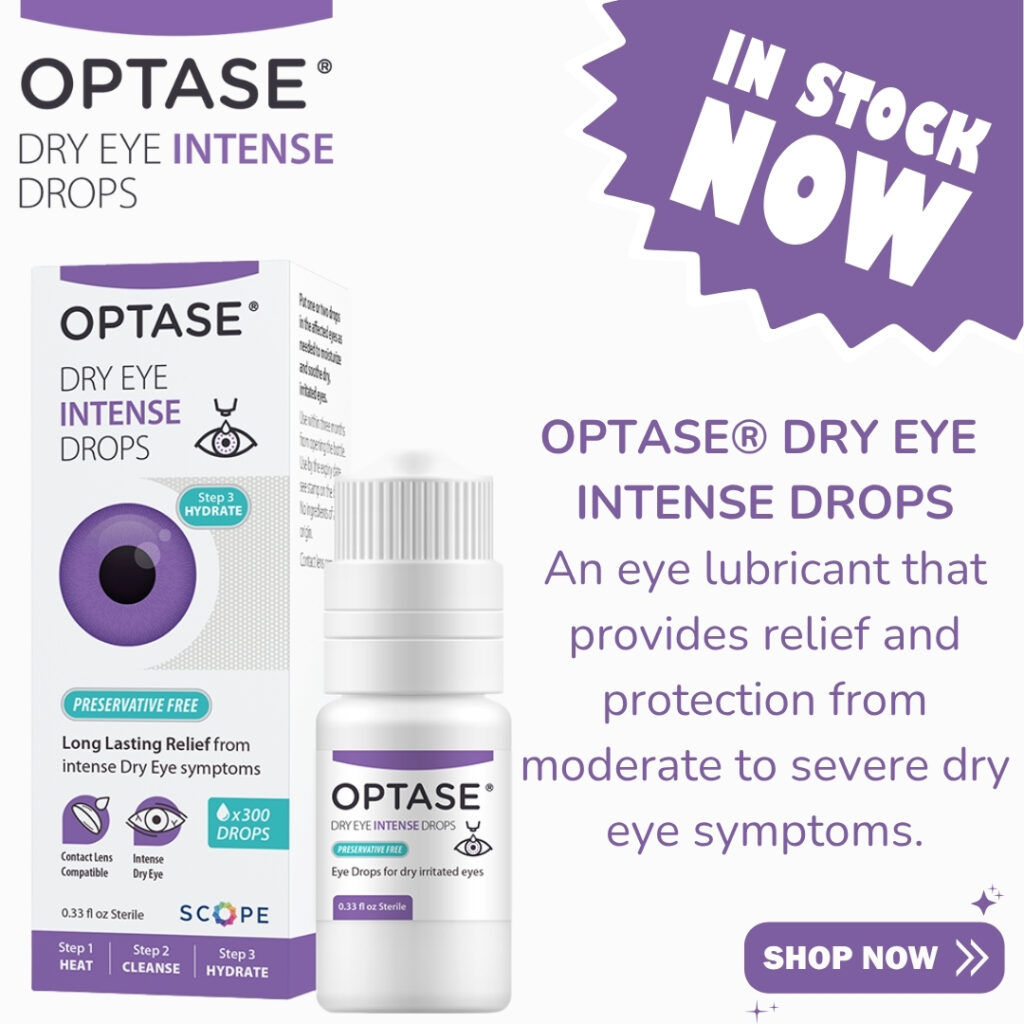
Preservative free eye drops are usually recommended for people with sensitive eyes, or those who have frequent discomfort and use drops multiple times a day. While preservatives used in eye drops are generally safe, some can contribute to irritation with frequent use. Drops formulated without preservatives may feel gentler on the eyes.
Gels and Ointments
Eye gels and ointments are thicker than standard drops and are designed to stay on the eye surface for longer periods of time to help relieve more persistent feelings of dryness. Since ointments can temporarily blur vision, they’re usually the best choice for overnight support when applied before sleep. Using gels or ointments before sleep can be an especially good choice if your dry eye symptoms are at their worst first thing in the morning.
Eye Sprays
Eye sprays are usually applied to closed eyelids and can support natural tears and the eyelid area. Eye lubricant sprays are better suited for people who have trouble applying drops into their eyes.
Warm Compresses and Heat Masks
For people experiencing dryness of the eye, the gentle heat from warm compresses or heat masks can help provide symptomatic dry eye relief by softening the oils that can build up in the meibomian glands, encouraging that oil to release into the tears. Regular and consistent use of this gentle heat on the eye area can help improve the stability of your tear film and your overall eye comfort over time.
Eyelid Cleansing and Lid Hygiene
Keeping your eye area free of debris, makeup, excess oils and bacteria as part of your dry eye routine can reduce feelings of irritation, especially if you experience regular redness, crusting, or eyelid discomfort.
Practical Lifestyle Adjustments
Making simple changes to your daily habits can make a surprising difference in eye comfort and dry eye symptom management. Taking regular screen breaks, reminding yourself to blink more often, staying hydrated and reducing direct airflow from fans or vents can all help protect the tear film.
When Professional Care Is Needed
Some cases of dry eye require more than over-the-counter products, cleansing, and habit changes. If you’re experiencing more severe symptoms, it’s important to get a professional assessment. Temporary symptom relief is most effective when it complements any necessary clinical care.
How to Choose the Right Remedy for Discomfort Due to Dryness of the Eye
Choosing a remedy for dry eye relief starts with paying attention to your symptom patterns: when do you notice your symptoms appear, and what seems to make them worse or better?
Eye dryness related to chronic dry eye or Dry Eye Disease often responds well to the use of lubricating drops, especially when combined with regular screen or strain breaks. If you’re experiencing irritation of the eyelids, especially a burning sensation or fluctuating vision, a combination of over-the-counter drops, gentle heat sessions and eyelid cleansing will likely provide better dry eye relief than using drops alone.
If you struggle with eye dryness first thing in the morning, using over-the-counter moisturizing gels or ointments before bed can make the most noticeable impact.
Many people with ongoing dry eye symptoms will need to combine approaches, like using lubricating drops in the daytime and gentle heat masks in the evening. The key is combining your daily dry eye relief strategies thoughtfully based on your individual experiences and circumstances.
When To See a Doctor for Dry Eyes?
If your dry eye symptoms last for weeks, keep coming back quickly after the use of drops, or start to interfere with your daily activities, it’s important to make an appointment with an eye doctor. Symptoms like worsening vision, eye pain, extreme light sensitivity or ongoing redness that doesn’t respond to over-the-counter treatments should never be ignored.
An eye doctor can help you identify the type of dry eye you have and recommend dry eye help through a more suitable treatment plan that may require prescription or in-office therapies.
How to Manage Dry Eyes Day to Day
The most notable feelings of relief from dry eyes often follow a consistent and routine eye care plan. Remember the most common dry eye risk factors: Taking regular screen breaks, remembering to fully blink often, and positioning any screens slightly below your eye level can all help stabilize your tear film. If you can, it’s also important to limit direct airflow into your eyes and manage indoor humidity. Drinking water throughout the day and staying hydrated may help support healthy tear production.
Using hydrating eye drops, heat masks and taking care of your eyelid hygiene each day usually has the largest impact on symptoms. It’s also important to be mindful of your personal triggers—like travel, long workdays or seasonal changes—and adjust those daily routines proactively.
Building a personalized dry eye routine based on your symptoms that you can easily implement and follow is the best path toward better eye health and comfort.
For more information about Dry Eye Disease and how OPTASE™ can support you, contact us today and get started on your journey to dry eye relief.